
Published on April 21, 2026
Bring Your Own License (BYOL) is a Shift in How ServiceNow Delivers Value
Most organisations don’t have a problem with ServiceNow. They have a problem with how it’s delivered.
Over the past few years, ServiceNow has become a critical platform for many businesses: underpinning operations, workflows, and customer experience. Significant investment has been made in licences, implementation, and internal capability.
And yet, a familiar pattern continues to emerge. Backlogs continue to grow. Internal teams become increasingly stretched. Features that have been paid for remain underused. Progress slows, even as investment continues.
The platform itself isn’t the issue. The challenge lies in the operating model around it.
The Hidden Cost of “Running” ServiceNow
In many organisations, the majority of cost associated with ServiceNow isn’t the technology, it’s the people required to run it.
Platform owners, developers, administrators, consultants, integration specialists - all essential roles, but collectively expensive and often fragmented. It’s not uncommon to see entire teams focused on maintaining the platform, while the pace of improvement slows down.
In fact, for many organisations, 50–70% of total platform cost sits in delivery and operations rather than the platform itself.
This creates a subtle but important shift in focus. Teams spend more time keeping things running than making things better. Change becomes constrained by capacity, and transformation initiatives are pushed further down the roadmap.
In short, organisations end up paying to run ServiceNow, rather than getting value from it.
A Shift in Thinking: From Ownership to Outcomes
What we’re now seeing, and hearing consistently from businesses we are speaking to, is a shift in expectations.
Organisations still want control of their platform. They still value flexibility. But increasingly, they want partners who are accountable for outcomes, not just activity.
This is where the Bring Your Own Licence (BYOL) model comes in.
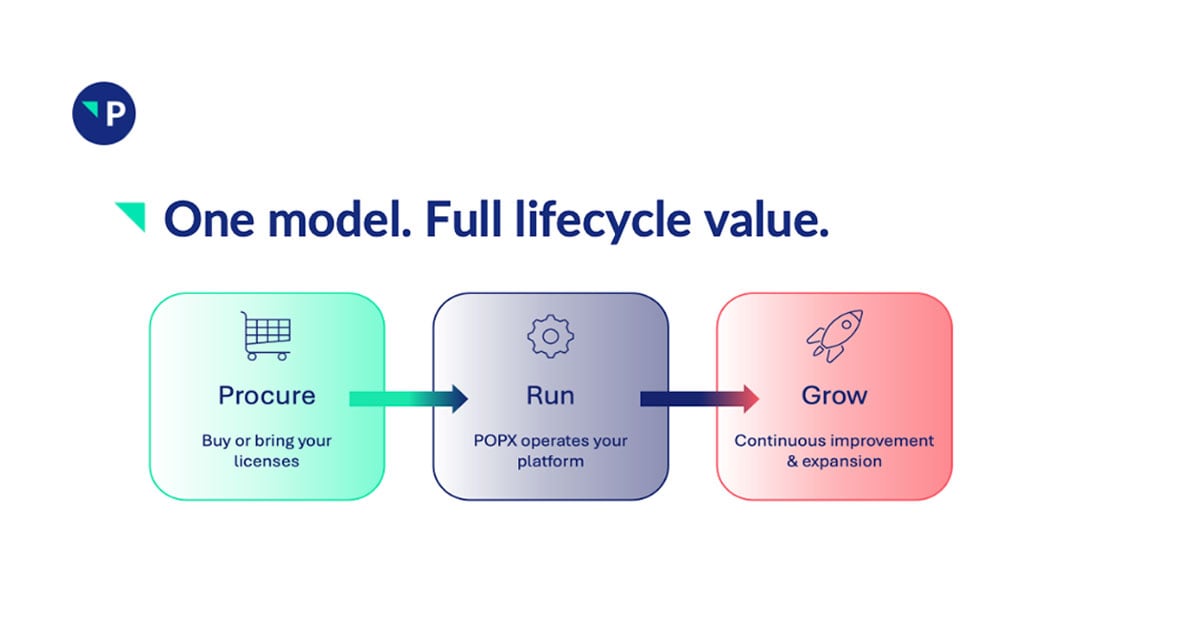
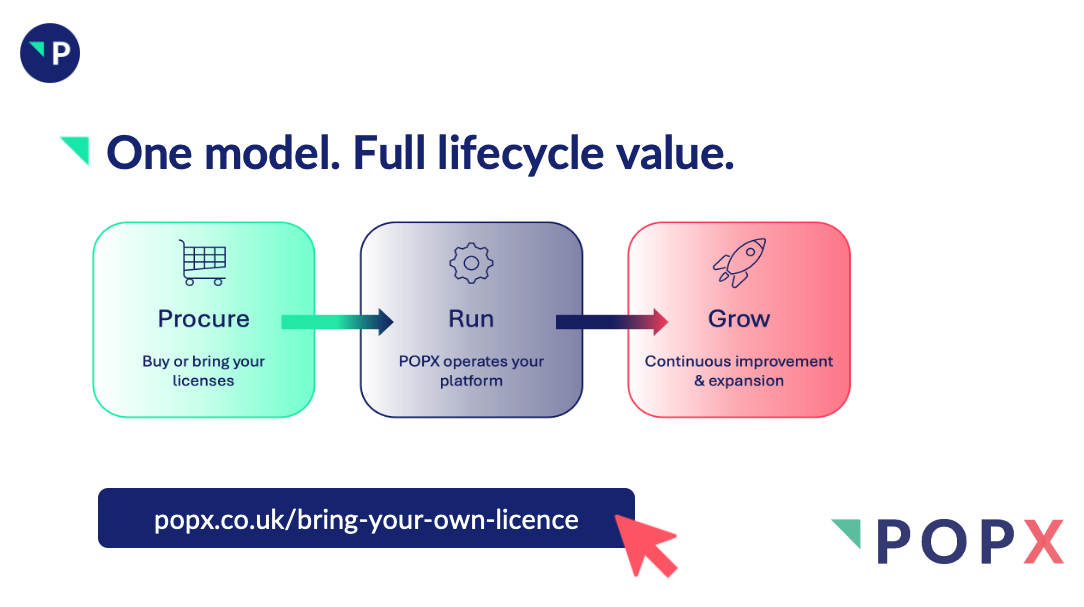
At its simplest, BYOL separates two things that have traditionally been bundled together: licensing and delivery.
Customers retain full control of their ServiceNow licences - purchasing directly or using what they already have - while working with a partner focused purely on running, improving, and evolving the platform.
It’s a small structural change, but it has a significant impact on how the platform is experienced day-to-day.
Why This Matters
On the surface, BYOL might look like a commercial adjustment. In reality, it changes the dynamics of how ServiceNow is delivered.
One of the biggest benefits is clarity. In many traditional models, responsibility is shared across multiple parties, which can lead to friction and delays. BYOL simplifies this. The customer owns the platform and licences, while the delivery partner owns outcomes. That clarity makes decision-making faster and removes ambiguity.
It also reduces complexity. By separating licensing from delivery, organisations gain better visibility over costs and can avoid unnecessary bundling. More importantly, it shifts focus away from maintaining the platform and towards improving it.
Speed is another factor. Traditional delivery models often rely on projects and fixed scopes, which can lead to long enhancement cycles and growing backlogs. A BYOL approach supports continuous improvement instead: smaller, faster iterations that deliver value more consistently over time.
And perhaps most importantly, it helps organisations get more from what they already have. BYOL focuses on increasing adoption, expanding use cases, and unlocking that latent value.
Many customers don’t need more licences; they need better utilisation of the ones they’ve already invested in.
A Model That Reflects Where the Market Is Heading
Customers are increasingly looking for more flexible, outcome-focused ways to work with ServiceNow, and questioning models that tie licensing and delivery too tightly together.
This shift is being driven by real-world pressures. The cost of running platforms internally continues to rise. Partner ecosystems can feel complex and, at times, misaligned. And there’s a growing expectation that technology investments should deliver clear, measurable returns.
BYOL is, in many ways, a response to those realities.
From Platform Investment to Value Realisation
Ultimately, this isn’t about changing how licences are purchased. It’s about changing what organisations expect from their platform.
Moving away from project-based thinking towards continuous improvement. Shifting focus from activity to outcomes. Ensuring that investment in ServiceNow translates into real, ongoing value.
For organisations already investing in the platform, the question is no longer: “What should we buy next?”
It’s: “Are we getting full value from what we already have?”
A Practical Starting Point
Recognising that gap is one thing. Understanding where it sits is another.
In some cases, it’s an adoption issue. In others, it’s delivery speed, governance, or internal capability. Often, it’s a combination of all three.
Taking a structured view of the platform - how it’s being used, how it’s being delivered, and where value is being created or lost - can provide much-needed clarity.
Final Thought
ServiceNow remains a powerful platform. But like any platform, its value isn’t defined by what it can do, it’s defined by how it’s run.
BYOL represents a shift towards a simpler, more outcome-focused model. One that prioritises clarity, reduces complexity, and focuses on delivering continuous value.
For many organisations, that shift is long overdue.
Read press coverage about POPX's Bring Your Own Licence Model: